The Twenty-Five-Dollar Microscope: Reading VIP Culture in a Modest Slot Tournament
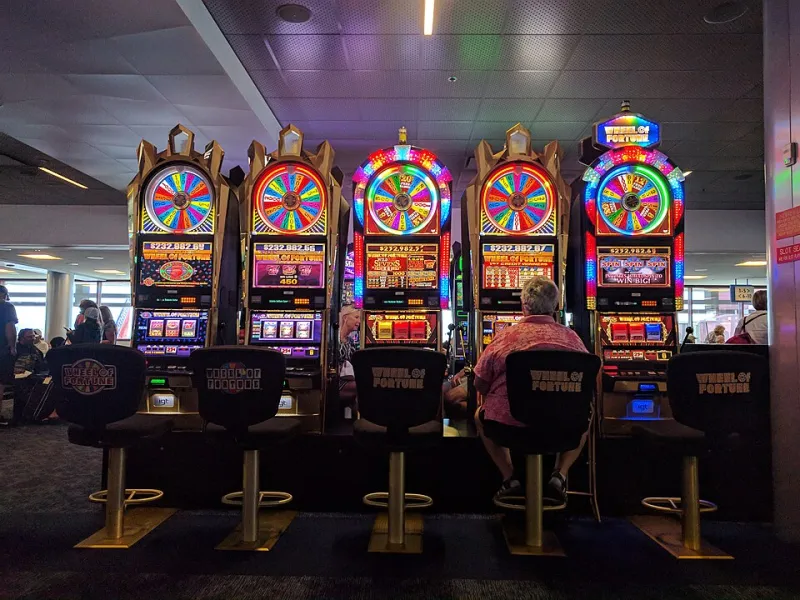
Photo: Grendelkhan, CC BY-SA 4.0, via Wikimedia Commons
Premium slot tournaments tend to dominate casino marketing. Large guarantees, celebrity hosts, and tiered invitations make for attractive campaigns, but they are also carefully staged. For players considering a VIP program or a more expensive tournament schedule, a modest $25 buy-in can serve as a practical microscope. The stakes are low enough to limit risk, yet the event still exposes how an operator treats entrants, structures value, and follows through after the final spin.
Why a Small Buy-In Is a Useful Sample
A $25 tournament is not simply a scaled-down version of a $1,000 event. The economics differ, and the casino may use small events as acquisition tools rather than profit centers. That does not make them meaningless. It makes them diagnostic. Operational habits tend to repeat: registration discipline, published rules, floor communication, payout clarity, and host behavior. A casino that manages a low-buy-in field with care is more likely to bring the same discipline to a premium event. A casino that improvises at $25 may also improvise when the buy-in is larger.
Entry Limits and Access: The First Signal
Before registering, ask how the field is capped. Is the $25 an all-in entry, or is there an additional fee? Are multiple entries permitted? Is there a waitlist, and is it managed in public? Are qualification rules posted or explained only at the desk? In the US, tournament rules can vary by state and by tribal gaming compact, so some procedural differences are expected. Clarity is the point. A sold-out event with a transparent waitlist suggests an organized tournament operation. A chaotic sign-up with shifting caps suggests that premium events may carry similar uncertainty.
Where the Prize Pool Goes
Request the payout table before play begins. At a low buy-in, the house may retain a larger share, and that is not automatically a red flag if it is disclosed. The more revealing question is distribution. Does the prize pool flatten across several places, or does it concentrate heavily at the top? Is there a bubble prize? Are prizes paid in cash, free play, or comps? A casino that publishes these details at $25 is demonstrating respect for small entrants. A casino that reveals them only after the field is seated is teaching you something else.
Host Attention and Floor Presence
Watch how the host works the room. Does the host greet all entrants or only familiar faces? Are rules explained once, clearly, or repeated differently to different players? Does staff announce breaks and timing? A host who engages a $25 field with patience may be genuinely service-oriented, but players should distinguish hospitality from sales pressure. A friendly introduction is one thing; a mandatory contact-collection pitch is another. Note whether questions receive consistent answers. In a VIP culture, attention should be respectful and proportional, not reserved solely for high-value players.
Consolation Structure and the Long Tail
Low-buy-in events often reveal how a casino views non-winners. Consolation prizes may be small free play, drawing entries, or nothing at all. A thoughtful consolation structure can keep the field engaged and signal that every entrant matters, but the terms deserve scrutiny. Does the consolation require a deposit or a playthrough? Does it expire quickly? Is it a coupon for a larger event? None of those features is inherently improper, but they should be disclosed before entry. The question is whether the casino frames consolation honestly or presents it as more than it is.
The Follow-Up Offer
After the event, observe what arrives. A generic email is not necessarily a bad sign, but a tailored message that acknowledges the event and explains next steps is more informative. Timing matters. So do conditions. Does the follow-up include a clear invitation, or does it pressure an immediate deposit? Is opt-out honored? A $25 tournament can test customer relationship management as effectively as it tests floor operations. If the follow-up is prompt, accurate, and easy to decline, that is a positive signal for a premium tier. If it is vague or aggressive, treat that as data.
Turning Signals into a Decision
A simple scorecard helps. Rate clarity of entry rules, payout disclosure, staff consistency, consolation terms, and follow-up conduct. One weak area is not disqualifying; patterns are what matter. If a low-buy-in event feels organized and fair, a premium tier may be worth exploring. If it feels improvised, do not assume a larger buy-in will fix the problem. Small tournaments may deliberately operate as acquisition events, and that can be legitimate. The audit is not about whether the casino makes money; it is about whether its practices match its promises.
A Word on the US Context
Players should confirm tournament rules with the property and understand that tax reporting and free-play conditions can vary. A $25 event may not carry the same reporting obligations as a larger prize, but the rules should still be available. State and tribal regulators may require specific disclosures, and players should use those resources when terms are unclear. The goal is not to turn a small tournament into a legal review, but to treat it as a low-risk opportunity to observe how a casino communicates.
The Club Riches Takeaway
Small stakes do not guarantee small lessons. A $25 slot tournament can show whether a casino values transparency, whether its hosts treat entrants consistently, and whether its follow-up culture is built on service or pressure. Treat the event as a sample, bring a short checklist, and compare the results with the property’s VIP marketing. Premium play should begin with basic respect. A modest tournament is often where that respect is easiest to see.